Practical Ways to Calm Tinnitus Ringing and Sleep More Peacefully
7/6/20263 min read
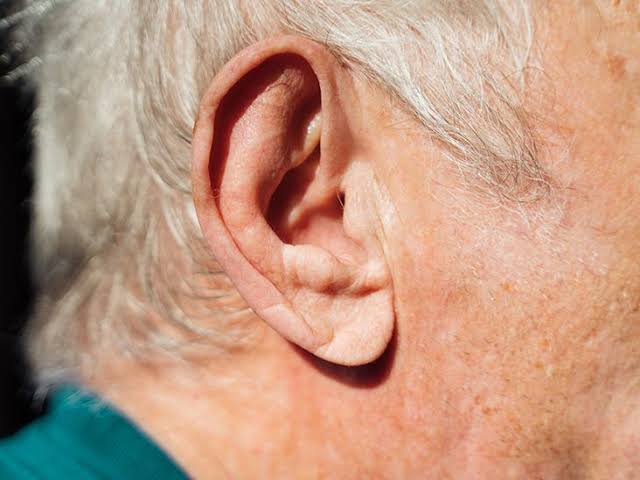

The hardest part is not always the sound itself. It is the feeling that quiet has disappeared, and nobody else can hear what keeps following you everywhere.
That kind of exhaustion wears down your patience, your focus, and eventually your hope. When every article promises an answer and nothing changes, it becomes difficult to believe the next thing you read.
The truth is that there is no proven way to make tinnitus disappear overnight. If someone promises that, it is worth being cautious. But there are several approaches that genuinely help many people reduce how much the ringing interferes with daily life.
Some of the most helpful strategies include:
Protect your ears from loud noise, but avoid wearing earplugs all day unless advised by a clinician. Too much silence can make the ringing seem louder.
Keep gentle background sound nearby during quiet moments. A fan, soft music, or nature sounds often make falling asleep easier.
Reduce caffeine or alcohol if you notice they make your symptoms worse. Not everyone reacts the same way, so pay attention to your own patterns.
Practice slow breathing or relaxation before bed. Stress does not cause tinnitus, but it can make the brain pay more attention to it.
If your tinnitus began suddenly, affects only one ear, comes with dizziness, or is linked to hearing loss, arrange a medical evaluation promptly.
Researchers also believe tinnitus is often connected to how the brain processes sound rather than simply being an ear problem. After hearing damage or other changes, the brain may continue interpreting signals that are not coming from an outside source. That helps explain why treatments aimed at reducing stress, improving sleep, or retraining attention sometimes help even though they do not remove the underlying hearing changes.
The difficult part is that these ideas are not instant solutions. They can improve comfort and quality of life, but they do not guarantee silence. That was the point where I stopped looking for promises and started looking for explanations that actually made sense.
I spent decades working around loud equipment as an electrician. At first, the ringing was something I ignored. Then it began waking me around three in the morning. Later it followed me through every quiet moment of the day.
Reading became frustrating.
Watching television required constant background sound.
Even sitting in the car with the engine off felt uncomfortable because the ringing filled every bit of silence.
One appointment after another left me discouraged. I tried sound machines that helped me drift off to sleep but did nothing once I was awake. I bought supplements that claimed to support ear health and noticed no meaningful change after weeks of taking them. A hearing specialist confirmed I had some hearing loss but also explained that tinnitus can be difficult to eliminate completely.
The sentence that stayed with me was, "You may have to learn to live with it."
I remember driving home wondering whether silence had simply become part of my past.
Eventually I came across research discussing how the brain filters sound. That led me to learn about an approach some people call an Ear Filter Reset, which focuses on how the brain responds to tinnitus rather than trying to treat the ear itself.
I cannot tell you it will work for you. I am not a doctor, and everyone's tinnitus has different causes. I can only share what made enough sense for me to explore further.
Over the next couple of weeks, I noticed something small at first.
The ringing did not disappear.
It simply stopped demanding my attention every minute.
I slept through more nights without waking at three in the morning. One morning I sat outside with a cup of coffee and suddenly realized I had been enjoying the quiet air for nearly twenty minutes before I even thought about the ringing. That moment meant more to me than any dramatic promise ever could.
I recorded a short free video explaining what I learned about that sound-filtering idea, why it made sense to me, and how I approached it. If you have grown tired of exaggerated claims, I think you will appreciate the straightforward explanation.
Long-lasting tinnitus deserves proper medical evaluation, especially if it changes suddenly or is accompanied by hearing loss or balance problems. Understanding your options early can make it easier to find strategies that improve daily life.
Homemadecures
Simple, beginner-friendly health and wellness content made easy to understand
Quick links
© 2024. All rights reserved.